

The gift-giving industry has undergone a remarkable transformation in recent years. The personalized gifts market was valued at USD 31.37 billion in 2025 and is projected to nearly double to USD 61.71 billion by 2035, with around 7 % growth annually.
No longer are customers content with off-the-shelf, mass-produced items that lack a personal touch. Today’s consumers crave meaningful, personalized gifts that tell a story, celebrate relationships and create lasting memories. This shift has placed product customization at the heart of successful gift shop strategies.
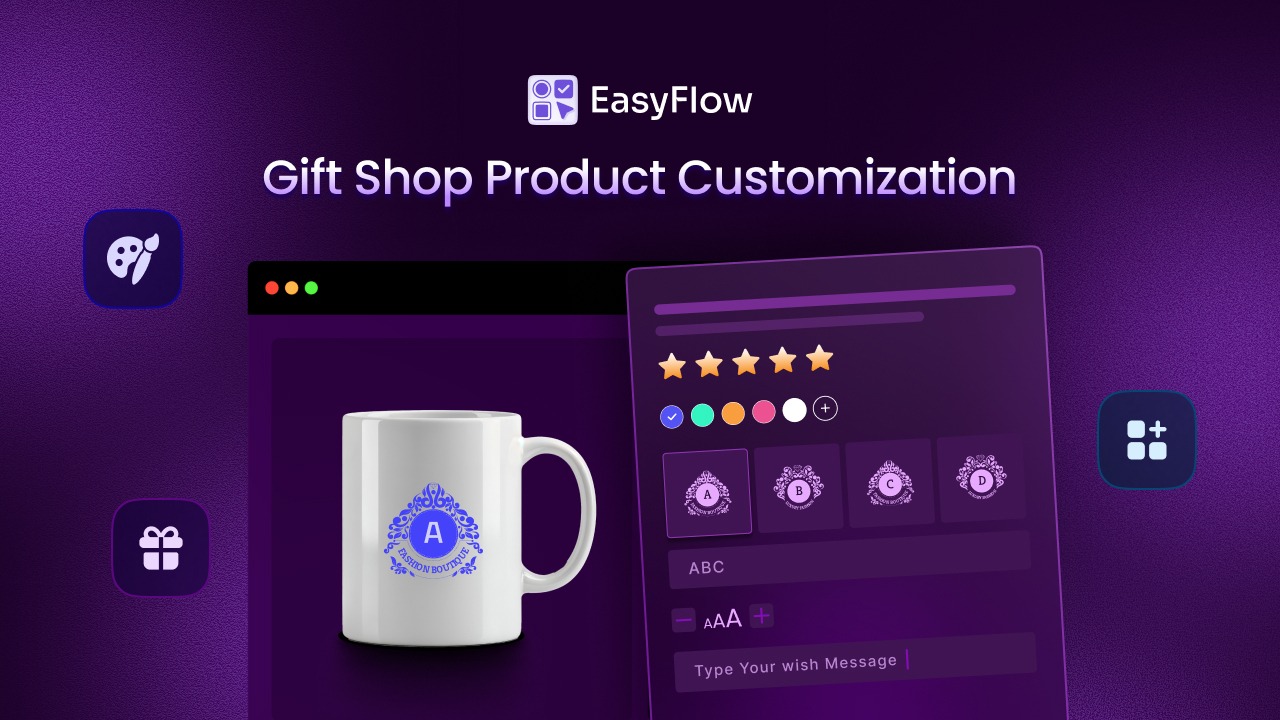
In this comprehensive guide, we will explore the multifaceted world of gift shop product customization, examining various customization methods, their benefits, implementation strategies and how the right tools can transform your Shopify store into a product personalization powerhouse.
Customization for Gift Products: Why Does It Matter?
For gift shop owners, particularly those operating on Shopify, embracing customization is not just about keeping up with trends; it is about survival and growth in an increasingly competitive marketplace.
When customers can add their personal stamp to a product, whether through elegant monograms, heartfelt messages, or custom designs, they are not just buying an item; they are creating an experience. And experiences, as we know, are what drive customer loyalty and word-of-mouth marketing. Let us know why customization matters.
The Psychology Behind Personalized Gifts
Product personalization taps into fundamental human psychology. When someone receives a customized gift, it signals that the giver invested time, thought and effort into selecting something unique. Research consistently shows that personalized products create stronger emotional connections than generic alternatives. A monogrammed leather journal carries more weight than a standard notebook because it acknowledges the recipient’s individuality.
For gift shops, this psychological principle translates directly into business value. Customers are willing to pay premium prices for personalized items—studies indicate that customized products can command 20-30% higher prices than their standard counterparts. Moreover, product personalization significantly reduces return rates since customers are actively involved in creating their purchase.
Standing Out in a Crowded Marketplace
The gift retail sector is saturated with options. Online marketplaces, big-box retailers and specialty boutiques all compete for the same customers. In this environment, differentiation is not optional; it is essential. Product customization offers a powerful competitive advantage that is difficult for larger competitors to replicate at scale.
When your gift shop offers genuine customization options, you are providing something that Amazon’s warehouse can not easily match: a tailored, personal touch. You are also creating a barrier to comparison shopping. How can a customer compare your monogrammed leather wallet with someone else’s generic version? They can not, because yours is unique.
Building Customer Loyalty And Repeat Business
Customization creates a unique form of customer lock-in. When someone orders a set of monogrammed towels from your shop and loves them, where will they return when they need more? To your store, because you already have their monogram specifications, style preferences and purchase history. This familiarity breeds loyalty and makes repeat purchases seamless.
Furthermore, satisfied customers who receive compliments on their personalized gifts become your best marketers. “Where did you get that?” is the question every gift shop owner wants to hear directed at their products. A beautifully customized item naturally sparks conversations and referrals.
Increasing Average Order Value
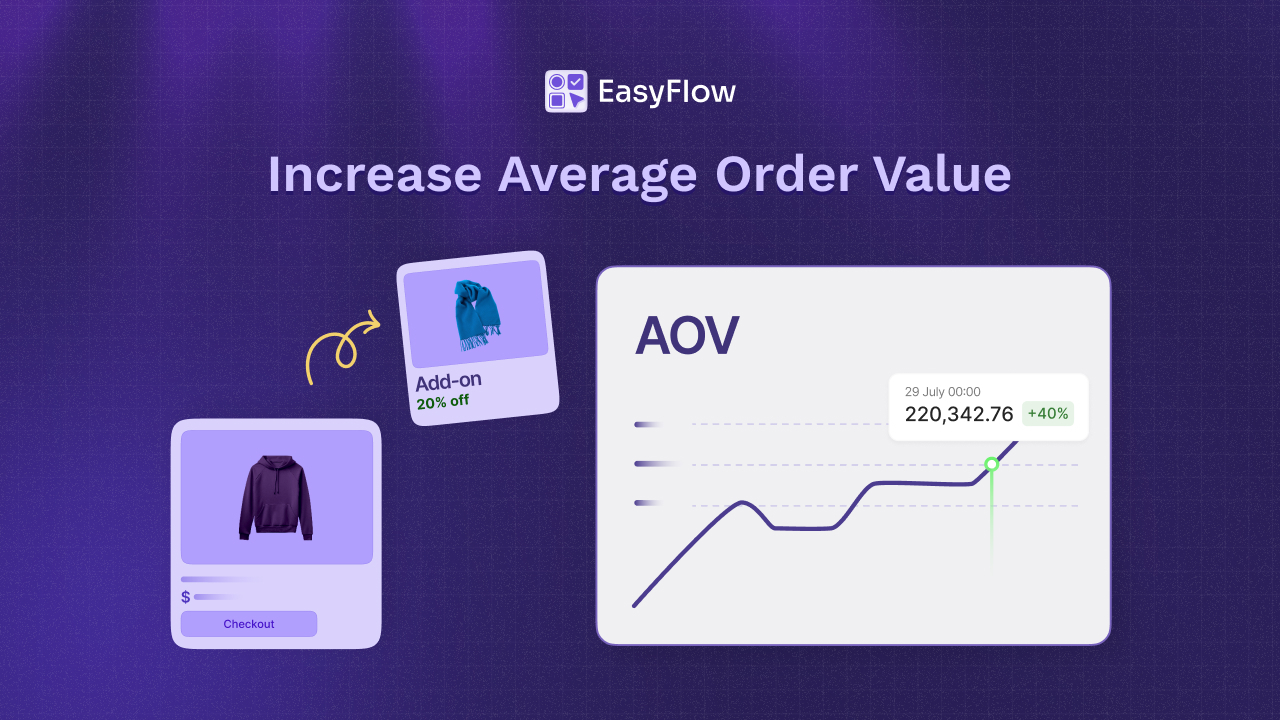
Customization naturally encourages customers to spend more. First, personalized products justify higher price points. Second, customers who invest time in customizing one item are more likely to add complementary products to their cart. If someone is designing a custom mug with their family photo, they might also purchase matching coasters or a personalized photo frame. This bundle effect can significantly boost your average order value.
What Are the Methods of Product Customization: Detailed Explanation
Multiple ways you can offer customization for your gift shop items. What are those? Let’s explore first,
1. Monograms: Classic Elegance That Never Goes Out of Style
Monograms are a form of customization with roots stretching back centuries. Traditionally, a monogram combines two or more letters, typically a person’s initials, into a single design motif. Classic monogram styles include the three-letter format where the last name initial is enlarged and centered, flanked by the first and middle initials. However, modern monogramming has expanded to include various fonts, arrangements, and decorative elements.
👉 Ideal Products for Monogramming
Monograms offer a sophisticated, timeless aesthetic that appeals across generations. For older customers, monograms evoke tradition and refinement. Younger customers appreciate them for their minimalist elegance and Instagram-worthy appearance. This broad appeal makes monogrammed products excellent inventory choices for gift shops targeting diverse demographics. The versatility of monograms makes them suitable for an extensive range of gift shop products. Below are some examples of ideal products for monogramming.
- Textiles: Towels, bathrobes, bed linens, handkerchiefs, and napkins
- Leather goods: Wallets, journals, keychains, passport holders, and luggage tags
- Accessories: Tote bags, cosmetic cases, phone cases, and jewelry pouches
- Home decor: Throw pillows, blankets, doormats, and wall art
- Stationery: Notebooks, notepads, greeting cards, and correspondence sets
- Apparel: Shirts, jackets, hats, and scarves
👉 Things to Consider While Implementing Monograms
Monograms also work beautifully for both personal gifts and corporate applications. A company might order monogrammed leather portfolios for its executive team, while an individual might purchase monogrammed towels as a wedding gift. This dual-market potential maximizes your product’s reach. When implementing monogramming services, consider offering:
- Multiple font styles: From classic serif fonts to modern script options
- Various placement options: Centered, corner-placed, or custom positioning
- Thread or ink color choices: To match or contrast with the base product
- Size variations: Subtle and small versus bold and prominent
- Decorative frames or borders: To enhance the monogram’s visual impact
2. Custom Messages: Words That Touch Hearts
While monograms offer elegance, custom messages deliver emotional punch. A message engraved on a gift allows the giver to speak directly to the recipient through the product itself. Whether it’s a romantic quote on an anniversary gift, an inspirational message on a graduation present, or a simple “I miss you” on an everyday item, custom text transforms ordinary objects into treasured keepsakes.
Ideal Products for Implementing Custom Messages
You can add custom messages to any items you prefer. However, considering feasibility and appeal, custom messages work exceptionally well on
- Jewelry: Bracelets, necklaces, rings, and watches with engraved sentiments
- Home decor: Picture frames, cutting boards, wooden signs, and plaques
- Drinkware: Drinking glasses, coffee mugs, and water bottles
- Tech accessories: Phone cases, laptop sleeves, and charging stations
- Keepsake boxes: Memory boxes, jewelry boxes, and trinket containers
- Celebration items: Champagne flutes, cake toppers, and serving trays
Types of Custom Messages to Offer
When offering customization options, try to make sure that you give customers flexibility with various message options, such as,
- Free-form text: Let customers write exactly what they want (with character limits)
- Date customization: For anniversaries, birthdays, or special milestones
- Name personalization: Single names or couples’ names together
- Quote libraries: Curated collections of popular quotes customers can choose from
- Coordinates or locations: Geographic coordinates of meaningful places
- Special characters and symbols: Hearts, infinity symbols, or decorative elements
Best Practices for Message Customization
So, what are the best practices when you are offering customization with personalized texts? To ensure customer satisfaction with custom messages,
- Character limits: Clearly display maximum character counts
- Preview functionality: Show exactly how the message will appear
- Font and style options: Offer multiple typeface choices
- Placement selection: Allow customers to choose where text appears
- Proofreading prompts: Encourage customers to double-check spelling and accuracy
- Profanity filters: Automatically flag inappropriate language for review
3. Image Customization: Turning Photos into Cherished Gifts
In our smartphone era, everyone has thousands of photos at their fingertips. Image customization taps into this treasure trove of memories, allowing customers to transform their favorite photos into tangible, lasting gifts. From family portraits to pet photos to vacation snapshots, image-based customization creates deeply personal products with significant emotional value.
Perfect Products for Photo Customization
Certain products are best suited for photo customization. This type of customization works brilliantly on
- Canvas prints and framed art: Wall-ready photo displays in various sizes
- Photo books and albums: Curated collections of memories
- Blankets and pillows: Soft goods featuring beloved images
- Phone cases and tech accessories: Daily-use items with personal photos
- Ornaments and decorations: Seasonal items featuring family photos
- Puzzles: Interactive gifts made from personal photographs
- Calendars: Year-round reminders of special moments
- Ceramic items: Mugs, plates, and coasters with photo transfers
Technical Considerations for Image Customization
Photo-customized products often become family heirlooms. A canvas print of grandparents with their grandchildren, a blanket featuring a beloved pet, or a puzzle made from a wedding photo, these items hold irreplaceable sentimental value. This emotional connection means customers are less price-sensitive and more focused on quality and presentation. Offering photo customization requires attention to technical details,
- Image quality requirements: Establish minimum resolution standards
- File format support: Accept common formats like JPG, PNG, and HEIF
- Upload size limits: Balance quality needs with server capacity
- Cropping and editing tools: Let customers adjust their images
- Color correction options: Help ensure accurate color reproduction
- Background removal: Offer tools to isolate subjects from backgrounds
- Image libraries: Provide stock images or design elements to complement photos
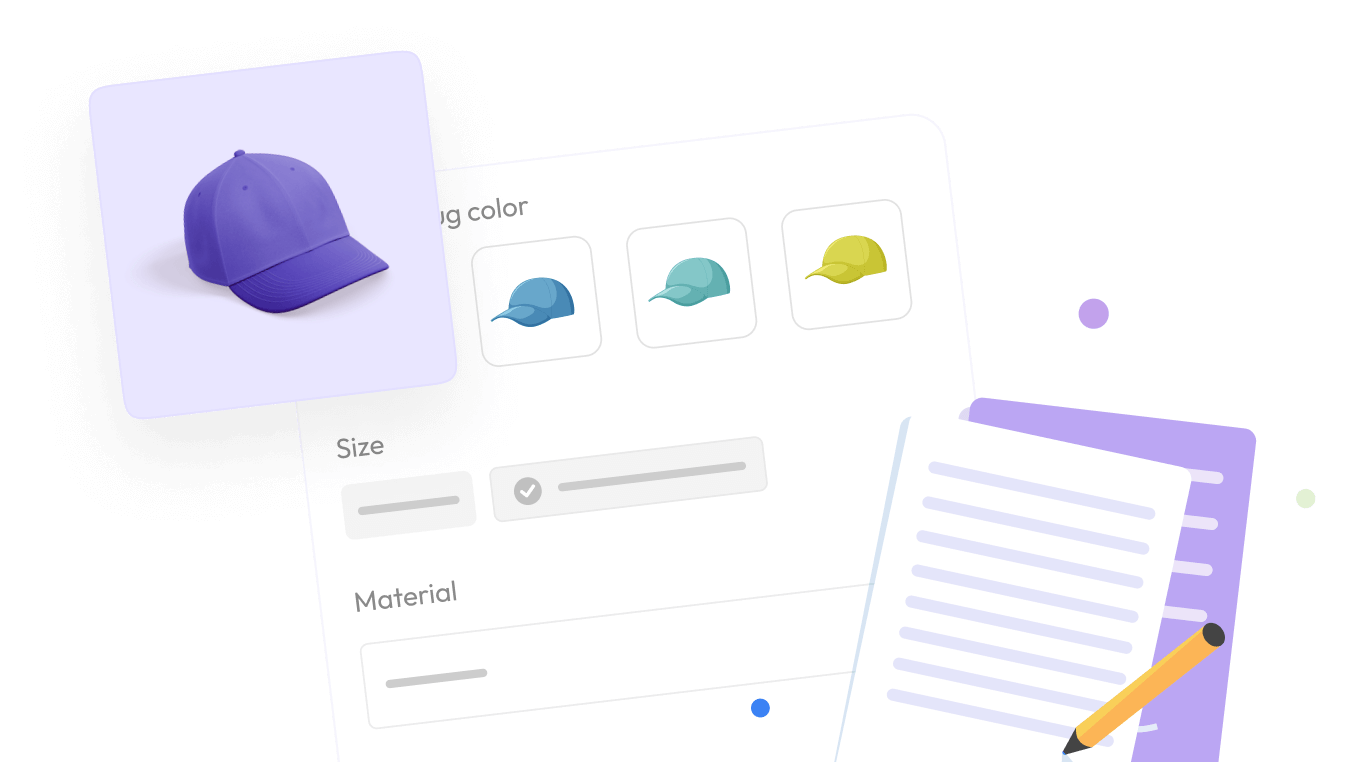
4. Color And Design Customization: Expressing Individual Style
Color is powerful. It conveys mood, personality, and style. Allowing customers to customize product colors transforms standard inventory into personalized creations. A customer might choose their school colors for a graduate’s gift, a baby’s nursery colors for a new parent, or their favorite team’s colors for a sports enthusiast.
Design Elements That Enhance Customization
Offering color and design customization requires flexibility beyond color customization. Design customization extends to include,
- Pattern selection: Stripes, polka dots, florals, geometric designs
- Material finishes: Matte, glossy, metallic, or textured options
- Size and dimension choices: Small, medium, large, or custom dimensions
- Shape variations: Round, square, rectangular, or custom shapes
- Accent features: Ribbons, buttons, hardware, or decorative additions
- Combination options: Mix-and-match elements for unique creations
Implementing Design Customization Best Practices
Effective design customization requires considering other important factors. Do not forget these best practices,
- Visual product builders: Interactive tools showing design changes in real-time
- Color accuracy: Ensure screen colors match final products reasonably well
- Saved designs: Let customers save and return to their creations
- Template starting points: Offer pre-designed options that customers can modify
- Inspiration galleries: Showcase examples to spark creativity
- Design limitations clarity: Be transparent about what’s possible and what isn’t
5. Advanced Customization: Taking Product Personalization Further
The most sophisticated customization combines multiple elements. Imagine a leather journal that features:
- A monogram on the cover
- A custom motivational message on the first page
- The customer’s choice of paper type and color
- Selected cover color and texture
- Optional elastic closure in a coordinating color
This layered approach to customization creates truly unique products that command premium prices and generate exceptional customer satisfaction. Some successful gift shops offer completely customizable product creation experiences. Customers might,
- Select a base item (mug, bag, shirt)
- Choose colors and materials
- Add text, monograms, or images
- Select placement and sizing for each element
- Preview the complete design
- Receive a truly one-of-a-kind creation
An emerging trend combines customization with subscription models. Customers might subscribe to receive monthly customized items, with each month’s product featuring updated personalization based on seasonal themes, new photos, or rotating messages.
How to Make Customization Work for Your Gift Shop?
Selecting the right products for customization is crucial. Not every product is an ideal candidate for customization. When choosing which items to make customizable, consider product suitability factors such as,
- Surface area: Does the product have adequate space for customization?
- Material compatibility: Can the material accept the customization method (embroidery, engraving, printing)?
- Production feasibility: Can you reliably produce customized versions?
- Profit margins: Does customization improve profitability after accounting for extra time and materials?
- Customer demand: Do customers actually want to customize this product?
- Durability: Will the customization last as long as the product itself?
Also, for shops new to customization, begin with a limited selection of proven products. Test different customization types on best-selling items before expanding your customization catalog. This approach minimizes risk while providing valuable learning opportunities.
Essential Elements of Great Customization
The customization process itself significantly impacts customer satisfaction and conversion rates. A frustrating, complicated customization interface drives customers away, while an intuitive, enjoyable experience encourages purchases and reduces support inquiries. So, make sure to focus on,
👉 Clear instructions: Guide customers through each step with simple, jargon-free language. Explain what information is needed and why.
👉 Visual feedback: Show customers exactly what their customized product will look like. Real-time previews are essential—customers need to see their monogram on that towel or their message on that bracelet before committing to purchase.
👉 Error prevention: Build in guardrails that prevent common mistakes. Inform customers if their text is too long, their image resolution is too low, or their color choice will not work with their selected design.
👉 Mobile optimization: Many customers shop on smartphones. Your customization tools must work flawlessly on small screens with touch interfaces.
👉 Progress indicators: For multi-step customization processes, show customers where they are in the workflow and how many steps remain. For instance, when customizing a photo mug, customers might see Step 3 of 4: Upload photo, helping them understand what is left before checkout.
👉 Save and return functionality: Allow customers to save partially completed customizations and return later. Not everyone completes their purchase in one session.
👉 Reducing Customer Decision Fatigue
While options are good, too many choices can confuse customers. Create a balance by:
- Offering curated selections rather than overwhelming arrays of options
- Providing recommended combinations or popular choices
- Using progressive disclosure (showing advanced options only when needed)
- Creating decision aids, like style quizzes or recommendation engines
Quality Control And Production Workflows
Customization introduces complexity into your production process. Maintaining quality while handling unique, one-off products requires systematic approaches. Define clear quality criteria for each customization method:
- Monogram standards: Straight alignment, consistent thread tension, appropriate sizing
- Engraving standards: Depth consistency, clean edges, accurate text reproduction
- Printing standards: Color accuracy, proper adhesion, no smudging or bleeding
- Photo standards: Sharp images, appropriate resolution, faithful color reproduction
Below are some production workflow best practices when you are offering product customization for your gift store website.
👉 Proof approval systems: For high-value items, send customers a digital proof before production begins. This extra step prevents costly errors and ensures customer satisfaction.
👉 Double-check procedures: Implement a system where a second person verifies customization details before production. This catches typos, incorrect spellings, and other errors.
👉 Organized order management: Develop systems to track customization details from order through production to shipping. Clear labeling and documentation prevent mix-ups.
👉 Production time transparency: Be honest about customization turnaround times. It isbetter to under-promise and over-deliver than to disappoint customers with delays.
👉 Quality inspection: Check every customized item before shipping. Look for errors, defects, or quality issues that would disappoint customers.
You might offer the most stunning customization options in the neighborhood, but if nobody knows about them, they might as well not exist.
Marketing Your Customized Products
Marketing your personalization services is not a one-time effort; it is an ongoing conversation with your audience across multiple channels. The goal is to make customization feel natural and exciting, so customers think of your store the moment they need a meaningful gift.
Website And Product Pages
Your website is your storefront and first impressions matter enormously. Customization should be one of the first things a visitor notices — not buried somewhere in the fine print. Think of your homepage as a stage: use it to showcase your personalization options in a way that feels inviting and inspiring.
To make customization shine on your site, focus on these high-impact strategies:
- Feature customization prominently on your homepage — a bold banner, a dedicated section, or an eye-catching call-to-action that draws visitors in immediately
- Use compelling before/after imagery — showing a standard product alongside its customized version is one of the most persuasive visual tactics you can use
- Create dedicated landing pages for each customization type (monograms, custom messages, photo gifts), so customers can explore options in depth without feeling overwhelmed
- Highlight customer reviews that mention customization — social proof is incredibly powerful, especially when it comes from real people sharing real experiences
- Showcase examples in your product galleries — let customers see exactly what’s possible before they commit
Social Media Showcasing
Social media is where gift-giving inspiration happens. Platforms like Instagram, Pinterest, and Facebook are visual by nature, which makes them perfect for showcasing beautiful, personalized products. The key is consistency and creativity. You do not need to post every single day, but you do need to show up regularly with content that makes people stop scrolling.
Here are some of the most effective ways to use social media for your customization services:
- Share photos of recent customized creations — real products, beautifully photographed, tell a story all on their own
- Post customer testimonials alongside images of their personalized gifts to build trust and inspire others
- Create time-lapse videos of the customization process — watching a monogram come to life or a photo being transferred onto a mug is genuinely captivating content
- Run contests for creative customization ideas — this drives engagement and gets your audience actively thinking about personalization
- Use relevant hashtags like #customgifts, #personalized, and #monogrammed to help new customers discover your work organically
Email Marketing Campaigns
Email remains one of the most effective marketing channels for eCommerce businesses, and it is especially powerful for gift shops. Why? Because gift-giving is tied to specific occasions, and email lets you reach customers at exactly the right moment — when they’re already thinking about what to buy.
To make the most of email marketing for your customization offerings, keep these tactics in mind:
- Send targeted, occasion-based emails — think holidays, graduation season, Valentine’s Day and wedding season. These are the moments when customers are actively searching for meaningful gifts.
- Share inspiration and ideas for personalized gifts. Not every email needs to be a hard sell; sometimes, a beautifully curated gift guide does more to drive sales than a discount code.
- Offer exclusive customization discounts to your email subscribers. This rewards loyalty and gives people a strong reason to stay on your list.
- Feature a “customization of the month” spotlight — it keeps your emails fresh, showcases variety and subtly educates your audience about everything you offer.
Blog Marketing
Beyond direct promotional channels, content marketing builds long-term trust and positions your gift shop as a go-to resource for personalized gifts. When you consistently create helpful, informative content, you attract customers who are already interested in customization — and those are the people most likely to buy. A strong content marketing strategy for a gift shop might include:
- Gift guides focused on personalized products — seasonal guides, milestone-specific guides, or budget-based guides all perform well and are highly shareable
- Blog posts exploring customization trends and ideas — staying ahead of the curve shows your audience that you are knowledgeable and passionate about what you do
- Step-by-step tutorials showing customers how to create great designs. Empowering your audience builds confidence and makes the customization process feel less intimidating.
- Stories behind memorable custom orders (shared with customer permission, of course) — these human-centered narratives create emotional connections that keep people coming back
How to Overcome Common Product Customization Challenges?
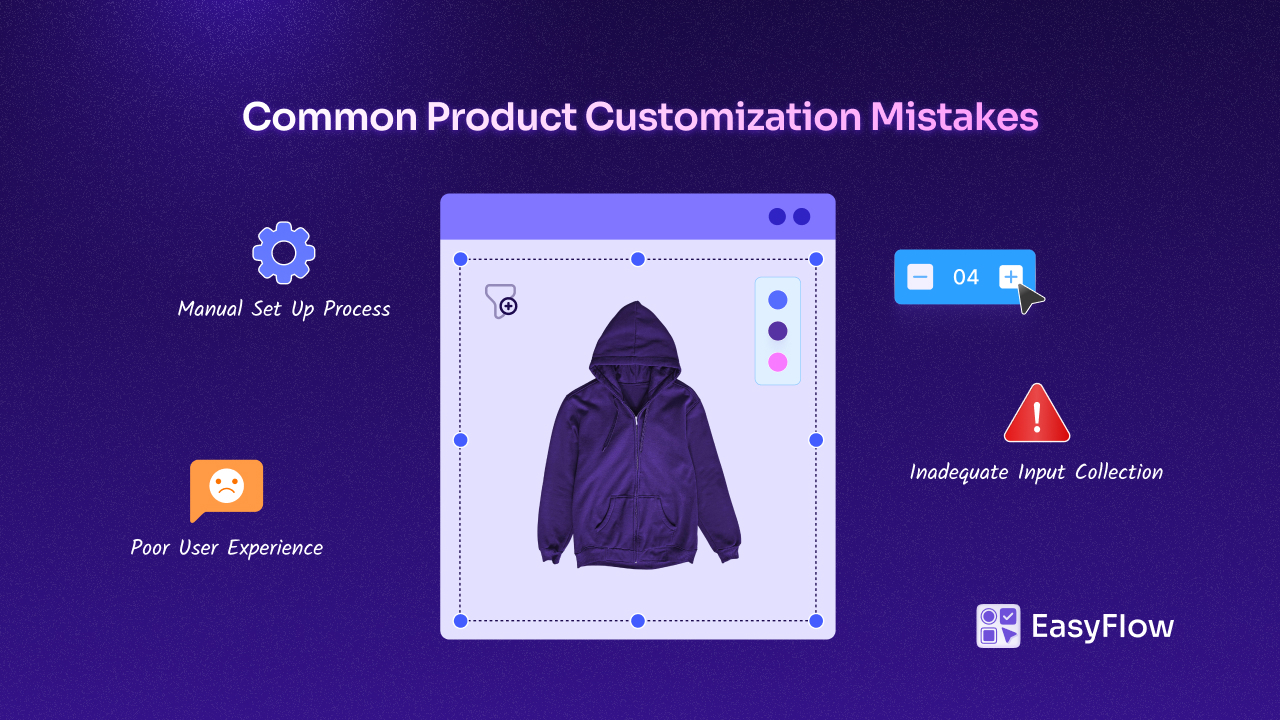
No matter how well-planned your customization strategy is, challenges will inevitably arise. The gift shops that thrive are not the ones that avoid problems entirely — they are the ones that handle them with grace, consistency and foresight. Understanding the most common challenges ahead of time gives you the chance to build solutions into your process before they become costly.
Challenge 1: Managing Customer Expectations
One of the trickiest aspects of running a customization business is the gap between what customers imagine and what is actually possible. A customer might envision an incredibly detailed design on a small keychain, or expect same-day turnaround on a hand-engraved wooden box. Without clear communication, these mismatches lead to disappointment and disappointed customers rarely come back.
How to Solve This Challenge?
Expectation management is largely a communication problem, and communication is something you can control. To keep your customers happy and informed:
- Provide extremely clear examples of what your customization can and ca not do — visuals speak louder than words here
- Show actual product photos, not just digital mockups, so customers know exactly what to expect in hand
- Be explicit about limitations — character counts, image quality requirements and color options should all be front and center
- Set realistic production and shipping timeframes and stick to them. Customers are far more forgiving of longer wait times than they are of missed deadlines.
- Under-promise and over-deliver whenever you can. Exceeding expectations turns one-time buyers into loyal fans.
Challenge 2: Handling Customer Errors
Typos happen. Names get misspelled. Dates get mixed up. In the world of customization, these small mistakes can turn into big problems, especially when they are already printed on a product. The frustration is real for both the customer and the business, which is why having a clear system in place before errors occur is so important.
What Is the Approach to Error Prevention?
- Build error-checking into your customization interface — simple tools like spell-check suggestions or character previews can catch mistakes before they reach production
- Require customers to confirm and approve their customization details as a final step before checkout
- Send order confirmation emails that clearly display every customization detail, giving customers one last chance to spot an issue
- Offer proof approval for high-value items — a quick digital preview before production begins adds an extra layer of protection
- Have a clear, written policy distinguishing between customer errors and production errors, so both parties know where they stand
Challenge 3: Returns and Exchanges
Returns are a reality in any retail business, but they hit differently for customized products. A monogrammed towel with the wrong initials can not be restocked on the shelf. This makes returns one of the most financially sensitive challenges in the customization space.
The best approach is a combination of prevention and transparency. Do everything you can to avoid returns in the first place, and be upfront with customers about your policies from the start.
How to Avoid Returns And Exchanges?
- Display your return policy for customized items clearly and prominently — surprises are never welcome when it comes to money
- Be transparent that personalized products are final sale, with the clear exception of production errors on your end
- Use proof approval processes to give customers confidence in their order before it ismade
- Always stand behind your work — if the error is yours, remake it at no charge. This builds trust and reputation.
- Consider offering store credit rather than full refunds when a return does happen. It keeps the revenue in your business while still making the customer whole.
Challenge 4: Scaling Production
When your customization offerings first launch, you might be handling a handful of orders a week. But as word spreads and demand grows, that number can climb quickly. Scaling up without sacrificing quality or burning out your team requires planning and the right systems.
How to Overcome the Challenge?
- Invest in production equipment that matches your volume. A tool that works perfectly for ten orders a week will become a bottleneck at fifty.
- Develop standardized workflows and quality control procedures so that every order is handled consistently, regardless of who’s working that day
- Consider partnering with fulfillment specialists for certain customization types that require expertise or equipment you don’t have in-house
- Be realistic about your capacity — it’s better to limit order intake temporarily than to rush production and compromise quality
- Hire and train staff specifically for customization production, so the skill and attention to detail stay consistent as your team grows
Challenge 5: Technology And Integration
Behind every smooth customization experience is a stack of technology working behind the scenes and when that technology does not work well, the whole experience falls apart. For Shopify-based gift shops, finding the right tools and making them play nicely together is a critical piece of the puzzle. The right technology removes friction rather than adding it.
How to Make Sure Your Tech Stack Supports Your Customization Goals?
- Choose customization apps designed specifically for Shopify — generic tools rarely account for the nuances of e-commerce customization workflows
- Ensure seamless integration with your existing theme and store structure. If the app feels bolted on, customers will notice.
- Test thoroughly before going live — run through every customization scenario yourself before a single customer sees it
- Have backup systems in place for when technology inevitably hiccups. Plan B prevents a minor outage from becoming a major customer service crisis.
- Keep your customization data organized and accessible at all times. You need to be able to pull up any order’s details quickly, especially if an issue arises.
Meet EasyFlow: Built for Shopify, Built for Your Gift Shop Product Customization
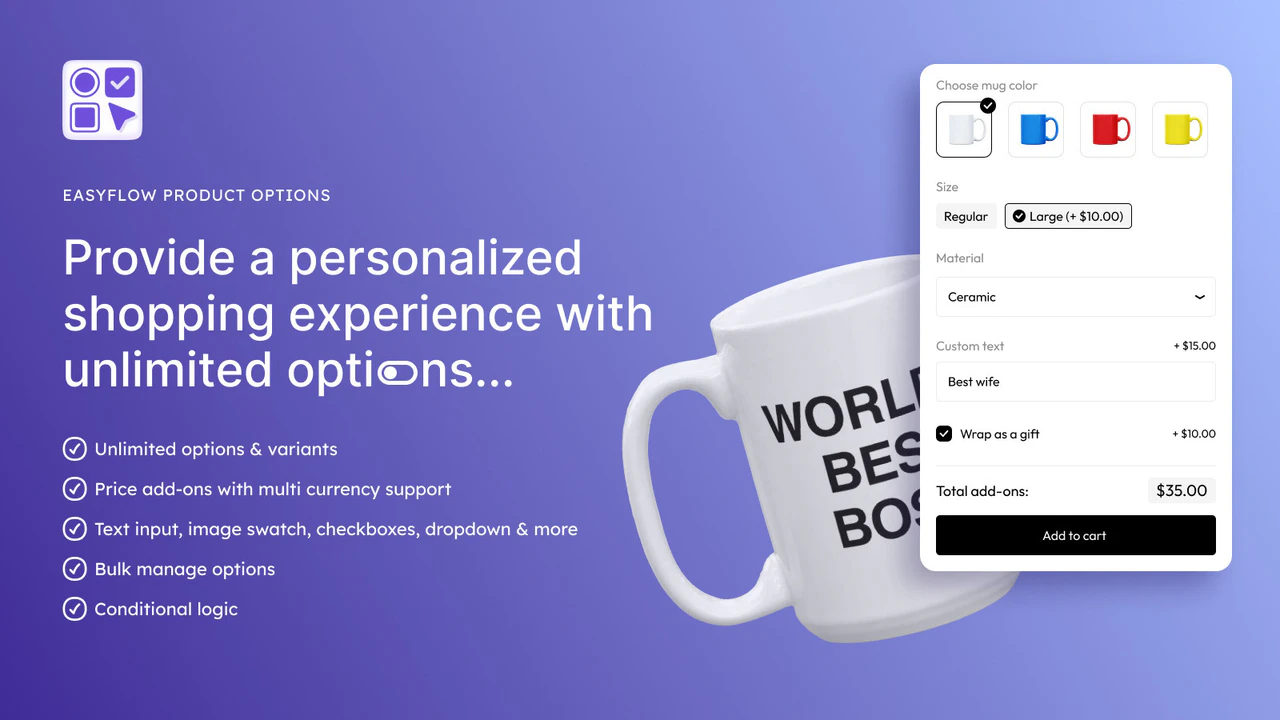
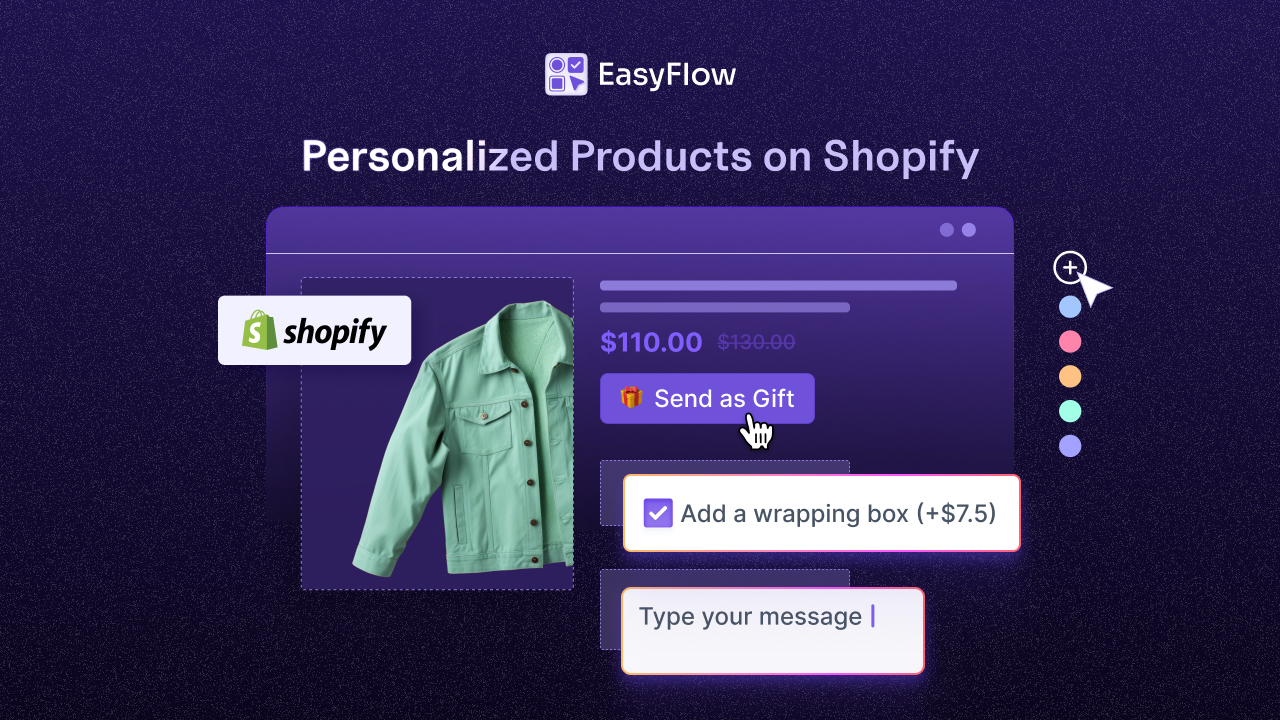
If product customization is part of your Shopify growth strategy, the tool you choose to power it matters. EasyFlow is a product customization app built specifically for Shopify merchants who want to offer personalized products without navigating complex technical hurdles.
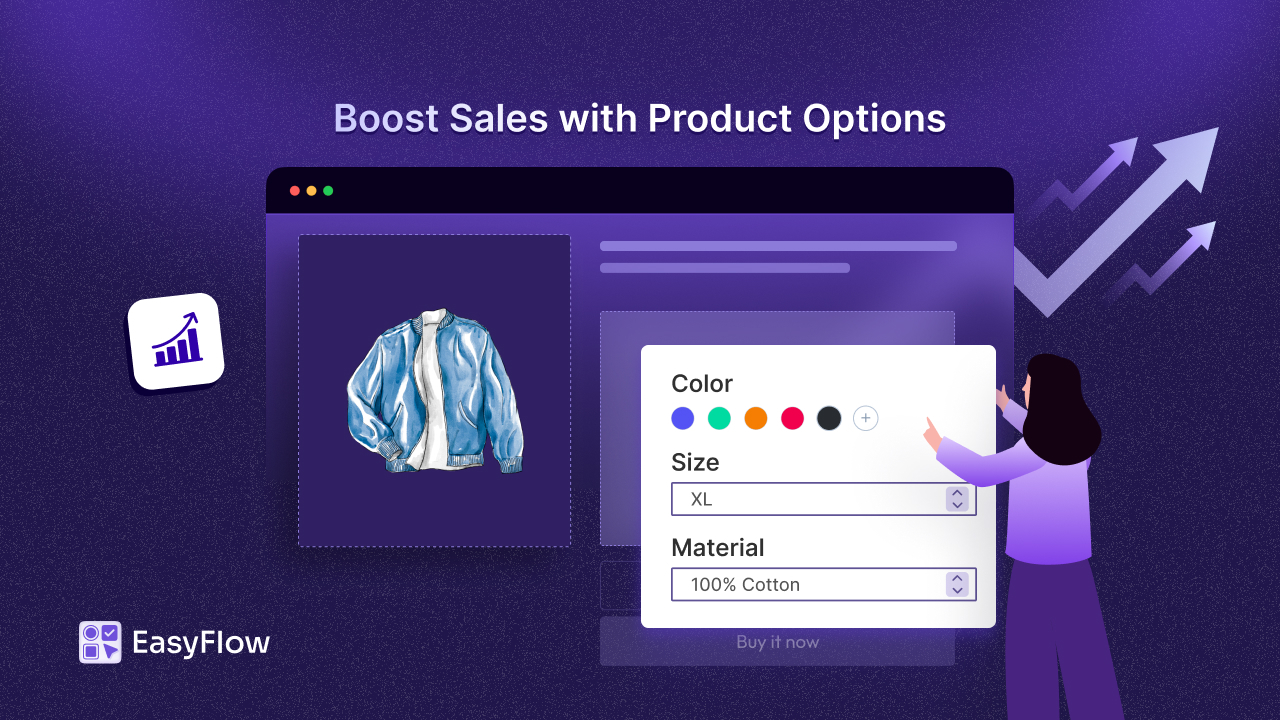
It removes the barriers that so often prevent store owners from tapping into the full potential of personalization — no coding, no complicated setup, no headaches. EasyFlow puts a rich range of product personalization options directly in your customers’ hands. They can:
- Add custom text — names, heartfelt messages, dates, or any unique detail that makes a product truly personal
- Upload their own images — turning photos and memories into one-of-a-kind gifts
- Choose colors and designs — selecting from options you have curated to match your brand
- Select premium add-ons — elevating their gift with extras that increase both value and satisfaction
Behind the scenes, you have full control. EasyFlow lets you create unlimited product options and option sets, and you can even set required options where needed, ensuring every order has exactly what it takes to fulfill flawlessly. The result is a storefront where every product feels made just for the person buying it.
Offer Gifts That Wins Hearth with Personalized Customization
Today’s customers expect personalization options, are willing to pay premiums for them and increasingly choose retailers who offer meaningful customization over those who do not.
Whether through elegant monograms, heartfelt custom messages, cherished photo gifts, or creative design combinations, customization transforms ordinary products into extraordinary gifts. It creates emotional connections, builds customer loyalty and drives profitability.
The key to customization success lies in offering the right options, creating intuitive customer experiences, maintaining quality standards, and using tools that make implementation manageable rather than overwhelming.
The gift shops that will flourish in the coming years are those that recognize a fundamental truth: people do not want to buy generic gifts—they want to create meaningful ones. With the right approach to customization and the right tools to support it, your gift shop can be where those meaningful moments begin.
Start your customization journey today, and discover how personalization can transform your gift shop from just another retailer into a destination for truly special gifts that create lasting memories.
If you found this helpful, please subscribe for more guides, tutorials and tips to help you get more out of your Shopify store.