


Running a successful online store in Shopify requires more than just getting traffic to your site. You might have thousands of visitors every day, but if they are not spending enough money, your business will struggle to grow. Perhaps it is your profit maximization strategy that you need to look into.
Profit maximization is about increasing the value of every single sale you make. Many store owners focus too much on finding new customers and forget about getting more from the ones they already have. This blog will provide a Quick Guide on the profit maximization strategy for Shopify.
What Is Profit Maximization?
So, what is profit maximization? In traditional business terms, it refers to finding the right price and output level that delivers the highest profit. For a modern Shopify Business, it usually means using practical techniques like upsells, cross-sells and premium customizations. The focus shifts from a single low-margin sale to higher-margin add-ons that increase profit from each order.
Reasons why this concept is essential for online retail:
- Increases Average Order Value: It encourages customers to spend more money in a single transaction.
- Lowers Customer Acquisition Cost: You do not need to pay for new ads to get this extra revenue.
- Increases Cash Flow: More money coming in per order means you have more cash to reinvest in your inventory.
- Boosts Customer Satisfaction: When done correctly, it helps customers find products they actually need or want.
So, profit maximization is a strategy used to increase the total profit from a customer after they have decided to buy something. The idea is simple yet powerful. Once a customer has their wallet out, they are in a buying mood. This is the best time to offer them something extra that adds value to their purchase. It changes a basic transaction into a much larger sale.
6+ Proven Shopify Profit Maximization Strategies to Maximize Your Business Growth
Profit maximization is not only about selling more or cutting expenses. It is about finding the balance between what you earn and what you spend. In simple terms, profit grows when the income from one more sale matches the cost of making that sale.
☑️ Profit = Revenue − Costs
☑️ Profit maximization happens when: Marginal Revenue = Marginal Cost
This means each new sale adds profit instead of loss. Below are six proven and practical ways to reach that point in your Shopify Business.
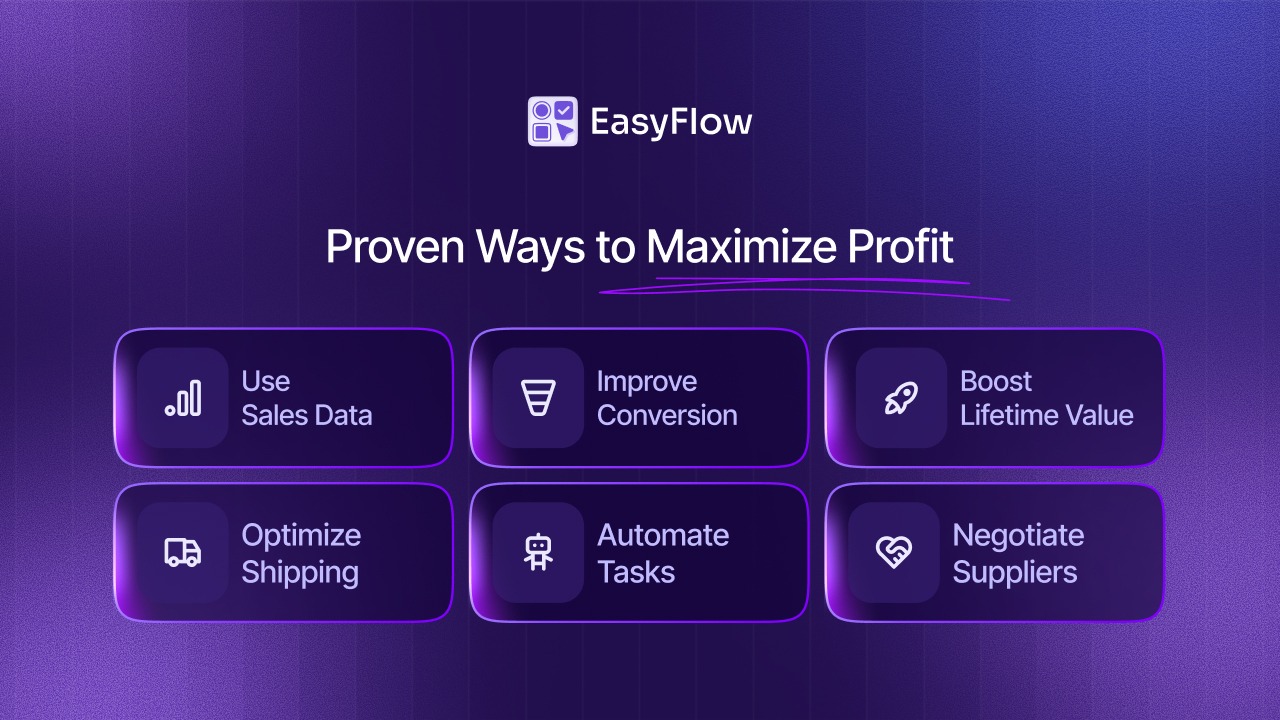
Three Ways to Increase Revenue
Revenue growth is not only about bringing more visitors to your store. A smarter approach focuses on earning more from the traffic and customers you already have. When you improve how visitors interact with your store and how much they spend, revenue increases without extra pressure on your marketing budget.
1. Use Sales Data to Find Better Marketing Opportunities
Your sales data shows what actually works. One fashion retailer noticed their conversion rate was already strong, but traffic was low. Instagram ads produced three times more sales than Facebook, yet both had equal budgets.
They shifted 60 percent of ad spend to Instagram and added cart abandonment emails with a 10 percent discount. 41 percent revenue growth without increasing ad spend.
☑️ Revenue = Traffic × Conversion Rate × Average Order Value
💡 Review your top performing channels, fix weak points in your funnel, and recover abandoned carts with follow ups. Better data decisions lead to higher revenue without higher costs.
2. Improve Conversion Rates
Getting more buyers from the same traffic costs less than buying new visitors. An online furniture store had 50,000 monthly visitors but only a 1.2 percent conversion rate.
They moved customer reviews higher on mobile, added free shipping banners, and reduced page load time from 4.3 seconds to 1.8 seconds. Conversion rate increased to 2.8 percent and added $127,000 in monthly revenue.
☑️ More Conversions = More Revenue from the Same Traffic
💡 Optimize for mobile, highlight reviews, speed up pages and keep checkout simple.Small UX improvements can unlock major revenue gains.
3. Increase Customer Lifetime Value
Keeping customers is cheaper than acquiring new ones. For example, a coffee subscription brand saw customers cancel after 2.3 months. Each customer was worth $62 while acquisition cost was $45.
They introduced a loyalty program, added a pause option instead of cancel and sent surprise samples to loyal customers. Customer lifetime grew to 8.7 months and lifetime value increased to $187.
☑️ Customer Lifetime Value (CLV) = Average Order Value × Purchase Frequency × Retention Time
💡 Reward loyalty, offer flexible subscriptions and make returns easy. Long term customers multiply profit without extra ad spend.
Three Ways to Reduce Costs
Reducing costs is just as important as increasing revenue when it comes to profit growth. Even during slow sales periods, controlled expenses help protect your margins and keep your Shopify Business stable. Many stores lose profit not because of low sales but because small costs add up over time.
4. Optimize Fulfillment and Shipping
A home goods store spent $8.50 per order on shipping for 2,000 orders each month. That was $17,000 eating into margins. They partnered with a 3PL provider, switched many items to poly mailers, and negotiated bulk rates. Shipping cost dropped to $5.20 per order, saving $79,200 per year.
💡 Compare 3PL (Third-Party Logistics) rates, right size packaging and negotiate volume discounts. Lower fulfillment costs instantly raise profit margins.
5. Use Automation for Repetitive Tasks
A skincare brand spent 20 hours each week on inventory checks and customer emails. That cost about $2,000 per month in labor. They added inventory automation, post-purchase email flows and a chatbot for common questions.
Result: Saved $1,500 per month in labor and generated $4,200 in extra revenue.
☑️ Saved Time = Lower Costs + More Focus on Growth
💡 Automate reorders, email sequences and FAQs. Automation saves money and creates new revenue at the same time.
6. Negotiate Better Supplier Deals
A fitness apparel brand paid $12 per unit for 500 units each month. Market research showed they were overpaying by 20 percent. They shared competitor quotes and proposed higher volume with a long term contract. Cost dropped to $10.25 per unit and saved nearly $2,000 monthly.
💡 Review supplier pricing yearly, use volume as leverage, and bundle services. Strong negotiations protect profit at scale.
7. Reduce Refunds And Returns with Product Customization
Many Shopify stores lose profit after the sale. Refunds, returns and order mistakes slowly reduce margins even when sales look healthy. Profit maximization is not only about earning more. It is also about protecting the revenue you already made. Product customization options help customers place accurate orders and feel confident before checkout.
A fashion brand saw that 18% of orders were refunded due to sizing confusion. Shoppers selected the wrong size or expected a different fit. The brand added clear size guides, short product videos and confirmation notes that showed selected options before payment. They also allowed customers to choose fit preferences during customization using EasyFlow from easy-flow.app. Within two months, refunds dropped to 7%.
☑️ Net Profit = Revenue − Costs − Refund Losses
Fewer returns directly increase net profit without selling more products. Product customization tool helps by capturing exact customization details such as size, text, color or upload choices and showing them clearly before checkout. This reduces order errors and avoids misunderstandings after purchase.
When revenue grows and costs stay controlled, profit improves naturally. That is true profit maximization for any Shopify Business. Product customization requires the right tools and one such tool can be EasyFlow. If offering product customization options is into your Shopify growth strategy, you can use the app. It is designed for merchants who want to provide personalized options without technical hurdles, EasyFlow removes the barriers that often prevent store owners from offering custom options.
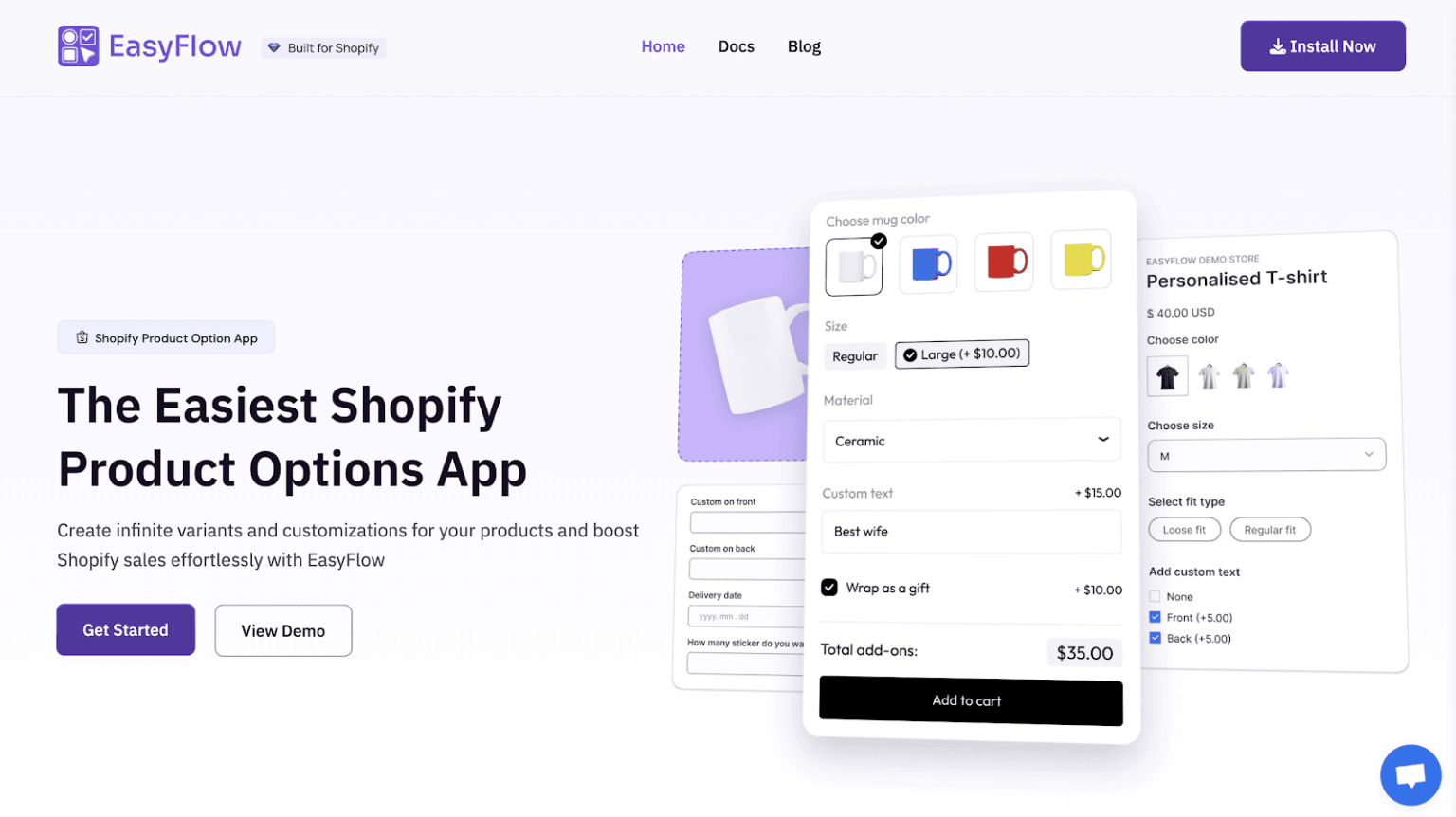
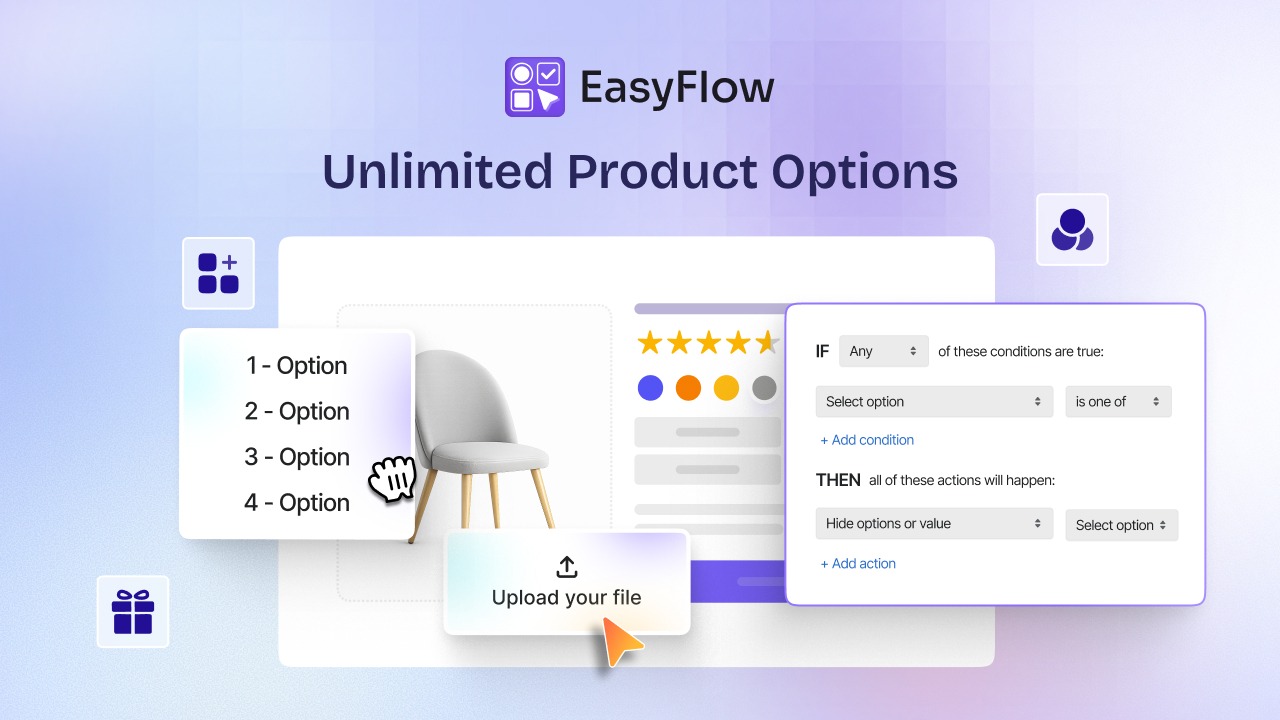
EasyFlow can work like a profit maximizer, giving you the freedom to add unlimited options to your product pages. You are no longer restricted to Shopify’s standard variants. Customers can add text, upload images, choose colors, select premium add-ons and much more, creating a truly personalized shopping experience.
How EasyFlow Helps Maximize Profit in Shopify?
Increasing profit in your Shopify store goes beyond selling more items. Besides implementing the profit maximization strategies,, you can provide personalized product options that can raise average order value and improve the customer experience.
If Shopify’s product customization feels limited, EasyFlow allows you to set up unlimited options in a few clicks and create a personalized shopping experience.
Increase Sales with Smart Product Customizations
With EasyFlow, you can boost your sales by offering personalized products that your customers will love. Let them add custom text, such as names, special messages or unique details, to make each product truly their own. This feature allows you to create products that stand out from the crowd and give customers the opportunity to add their personal touch. Personalized products are not only more appealing but they also drive higher conversion rates, increasing your sales and improving customer satisfaction.
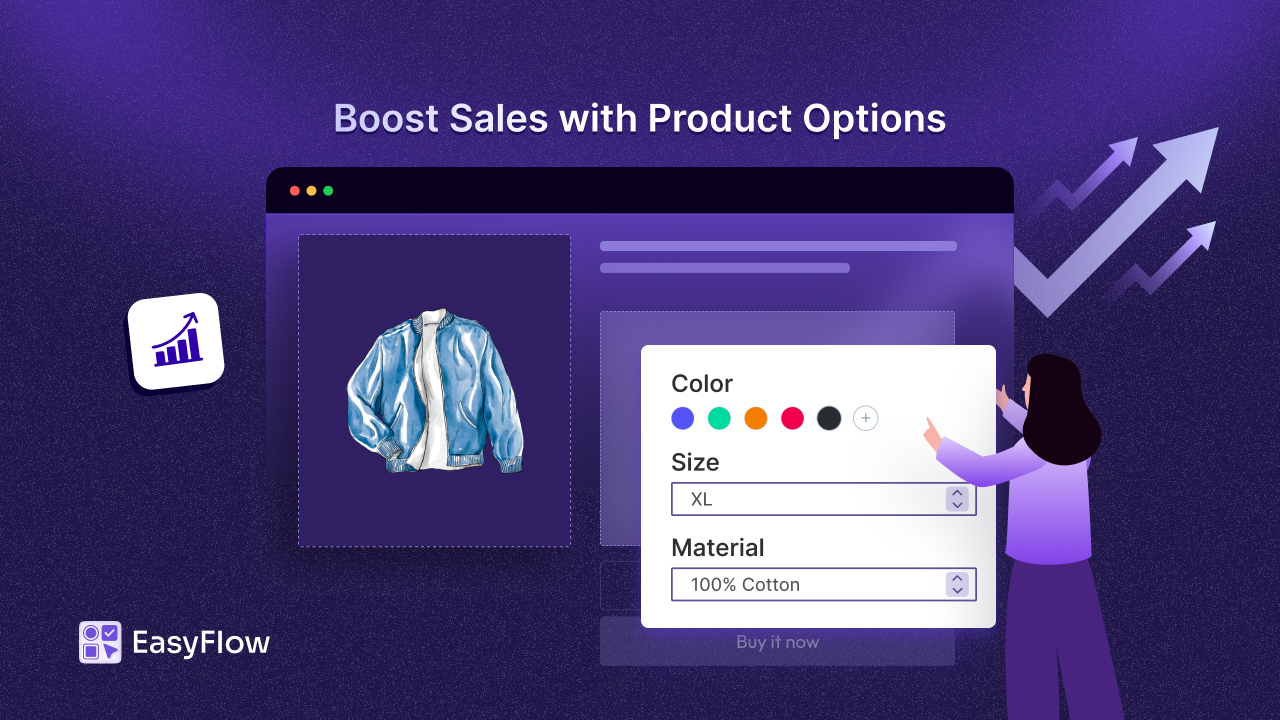
Improves Customer Experience And Repeat Purchases
EasyFlow makes shopping smooth and interactive by letting customers choose from intuitive options. You can create unlimited product options and option sets. This allows you to offer options that are required. Buyers can select from diverse options that give a positive impression of your store. This, in turn, improves customer experience, user satisfaction and encourages repeat purchase.
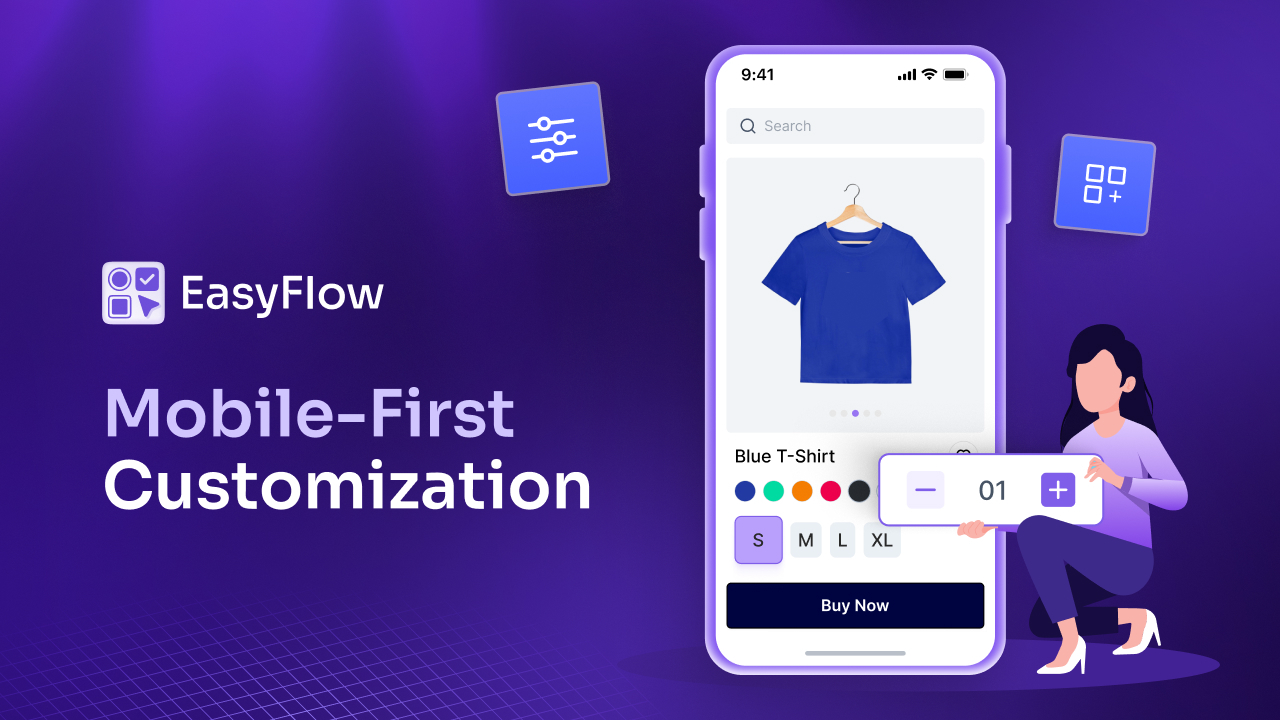
Manage Option And Product Sets with User-Friendly Dashboard
Managing product options has never been simpler. With EasyFlow’s intuitive dashboard, you can create, edit and manage all your product options and variants in one place. This feature streamlines your workflow and saves you time, letting you focus on what really matters: growing your business. Whether you are adding new product options or making updates to existing ones, you can do it all quickly and efficiently.
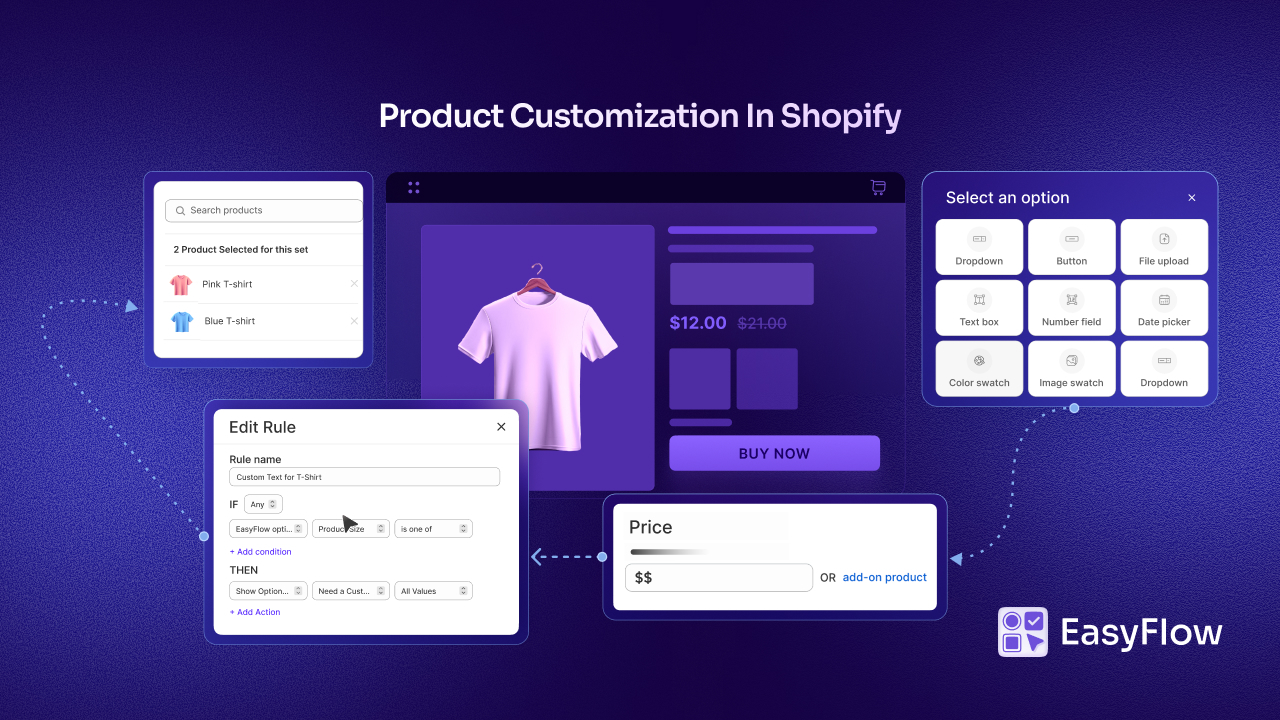
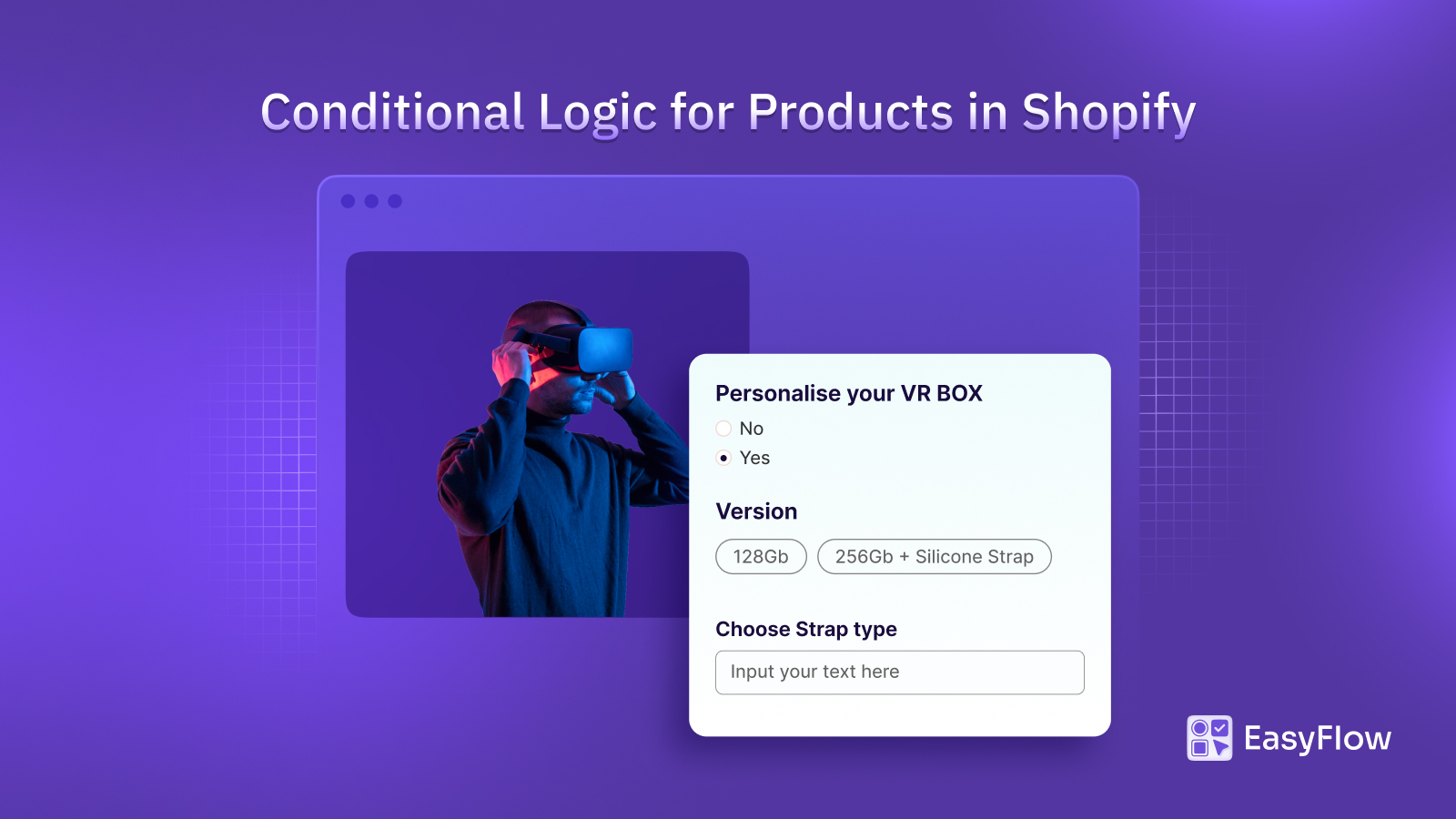
Set Smart Conditional Logic for Product Options
Create a more personalized and streamlined shopping experience with EasyFlow’s smart conditional logic. This feature allows you to show or hide specific options based on customer selections. For example, if a customer chooses a particular product variant, you can display related options like color choices or add-ons and hide irrelevant ones.
Monitor Metrics That Drive Shopify Success
Make sure your profit maximization strategies are actually delivering results by watching the right numbers. Guesswork will not show the full story, so rely on metrics to measure success. Focus on these key indicators:
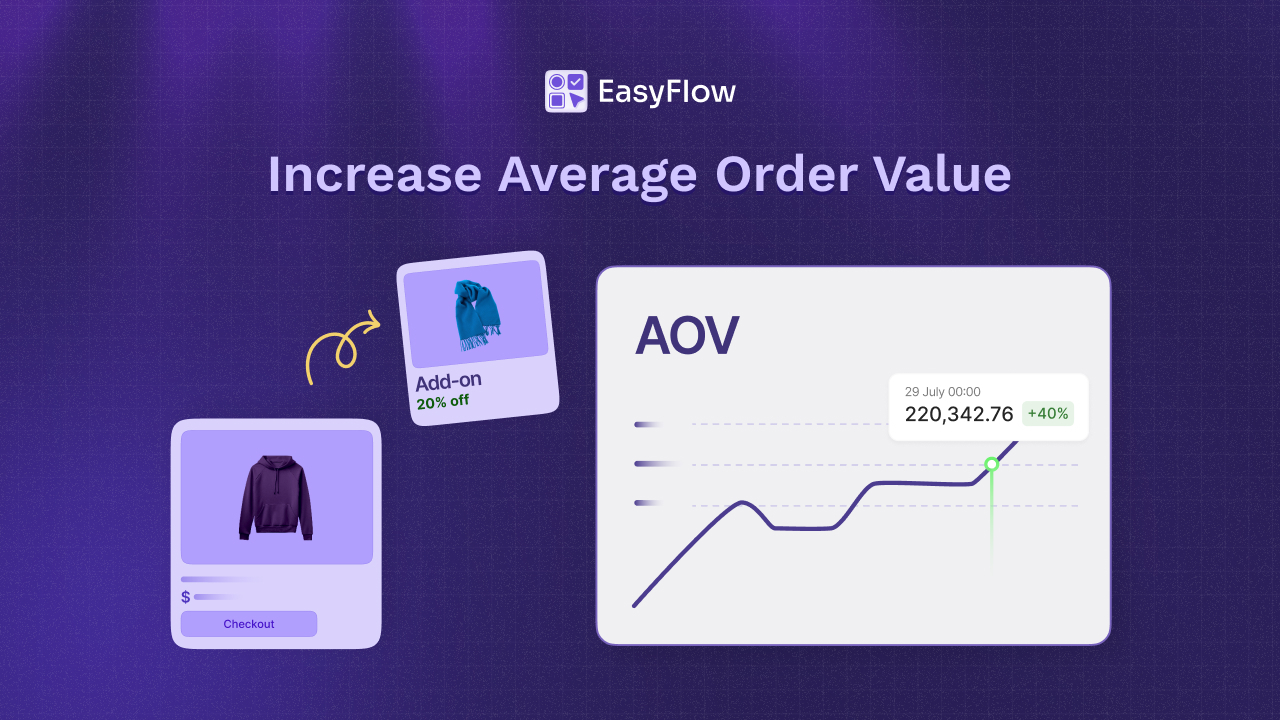
Average Order Value (AOV)
Average Order Value or AOV measures the average amount each customer spends per order. Offering customization and product personalization flexibility increase this number because customers are more likely to add premium or personalized options to their purchase. Track AOV regularly to see which products and options contribute most to higher order value.
Conversion Rate
This shows the percentage of visitors who actually complete a purchase. A successful profit maximization strategy should maintain or improve your conversion rate.. Monitoring this ensures that additional choices are enhancing the shopping experience rather than confusing or deterring buyers.
Profit Margin
Profit margin tells you how much money you actually earn from each sale after covering costs. When using custom add-ons, calculate the profit margin for each option to confirm that the extra features are worth the time and effort. High-value add-ons should generate a noticeable boost in profit without hurting your overall margins.
Cart Abandonment Rate
Cart abandonment rate tracks the number of customers who add products to their cart but leave before completing the purchase. Monitor this closely to ensure that offering extra options does not overwhelm or frustrate shoppers. A small rise may indicate confusion, while a steady or reduced rate shows that your customization options are adding value without discouraging purchases.
More Things to Consider for Sustainable Profit Maximization Strategy
The eCommerce world is becoming more competitive every single day. Implementing profit maximization strategies properly is crucial. However, along with the right strategies, you need the right tools as well. Below are some additional tips with tool suggestions that you can look into for sustainable growth that in turn leads to profit maximization.
Work on Your Shopify Store’s SEO
Search engine optimization (SEO) is one of the most sustainable ways to drive high-intent traffic to your Shopify store. When your products appear in relevant search results, you attract shoppers who are already looking for what you sell, reducing reliance on paid ads and lowering customer acquisition costs over time.
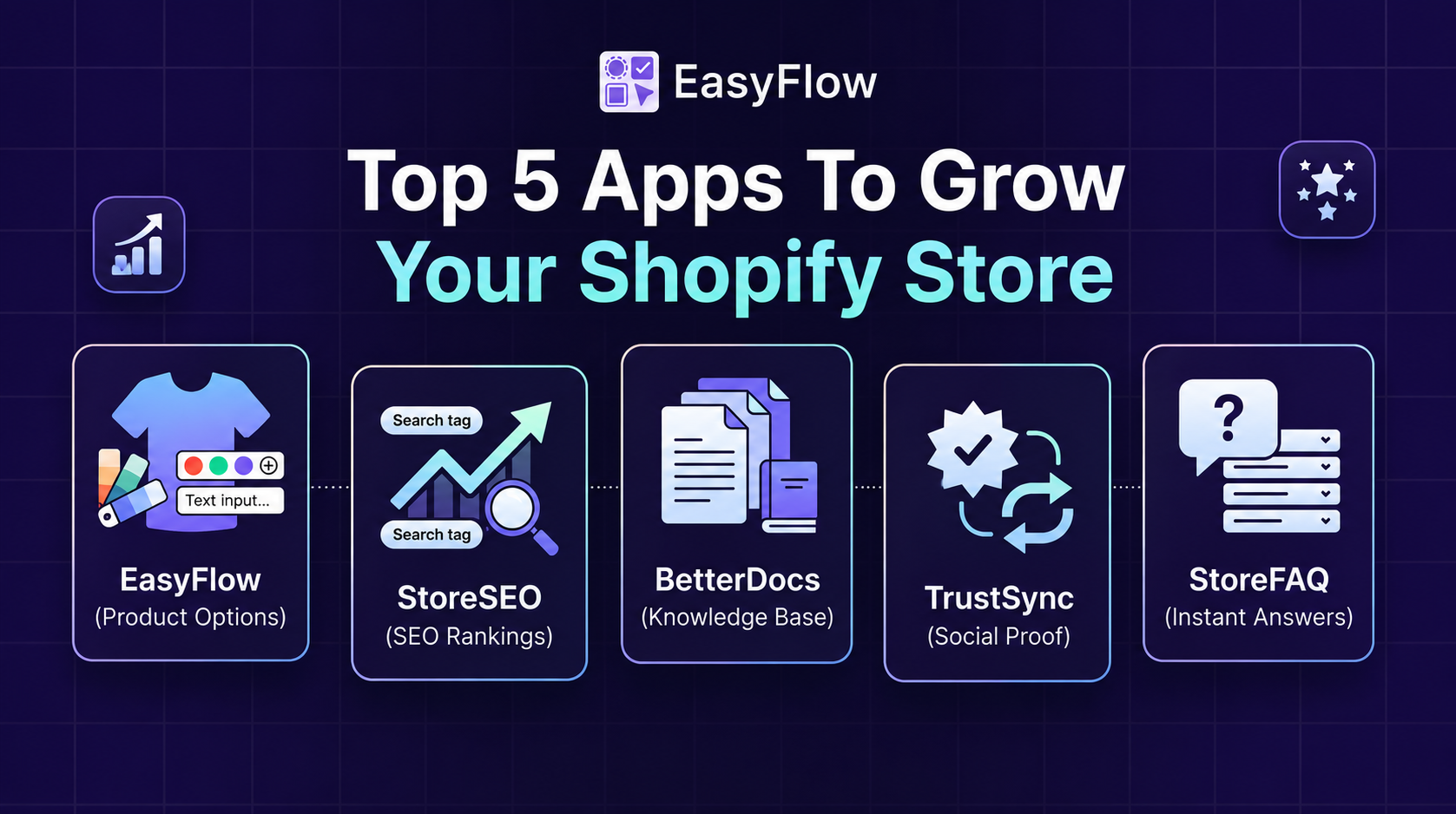
A well-optimized store improves visibility, builds credibility, and generates consistent organic traffic that converts better than most other channels. To streamline this process, there are some apps in the Shopify marketplace. One such tool is StoreSEO. StoreSEO helps you simplify technical SEO, optimize images, generate content, and connect seamlessly with Google Search Console and Analytics. It provides actionable suggestions to fix SEO errors, automate bulk alt text creation, manage sitemap submissions, and implement JSON-LD schema for better visibility in search results, including AI-powered search engines.
With its user-friendly interface, responsive support, and measurable impact on organic traffic, StoreSEO is designed to drive sustainable, people-first growth for your Shopify store.
Answer Common Customer Queries with FAQs
Shoppers often hesitate before purchasing due to unanswered questions about shipping, returns, sizing, or product usage. If these concerns are not addressed quickly, they can lead to abandoned carts or delayed decisions.
A clear and accessible FAQ section removes friction from the buying journey by providing instant answers when customers need them most. Apps like StoreFAQ allows you to create clear, organized FAQs that address common customer questions before they reach support. With its AI FAQ writer, instant search, and multilingual support, you can easily create FAQs for your Shopify store and let customers find information quickly in their preferred language. This clarity removes hesitation during purchase decisions, shortens the buying journey and helps increase completed orders, which leads to higher profit.
Add More Credibility with Social Proof
Shoppers often look for reassurance before committing to a purchase, especially when they are unfamiliar with a brand or product. Without visible proof from other buyers, hesitation can grow and lead to abandoned carts. Social proof plays a key role in reducing this doubt by showing that real customers have already made confident buying decisions.
You can use apps like TrustSync. It helps collect authentic customer reviews to build trust across your store. It automates review requests, filters negative feedback, and helps to showcase positive experiences where shoppers need reassurance most. When visitors see real feedback from other buyers, confidence rises and hesitation drops. This trust improves conversion rates and encourages repeat purchases, driving stronger profit growth.
Build an Effective Shopify Knowledge Base
As a store grows, customers begin to ask more questions about product usage, policies and post-purchase support. When answers are hard to find, frustration increases and support teams face higher ticket volume. A well-structured knowledge base removes this friction by giving customers clear answers exactly when they need them.
Knowledgebase apps like BetterDocs for Shopify help you create a structured knowledge base with easy navigation and instant search. Customers can find answers to product usage, policies and common issues on their own. This reduces support tickets and improves overall experience. Lower support costs and satisfied customers contribute to long-term retention and steady profit growth.
Drive Sales with Smart Profit Maximization Strategy Now
Profit maximization is not just a theory, it is the practical path to scaling your Shopify store with confidence. By focusing on raising your Average Order Value (AOV), building loyalty programs and offering product customization, you can turn each sale into a chance to grow your store.
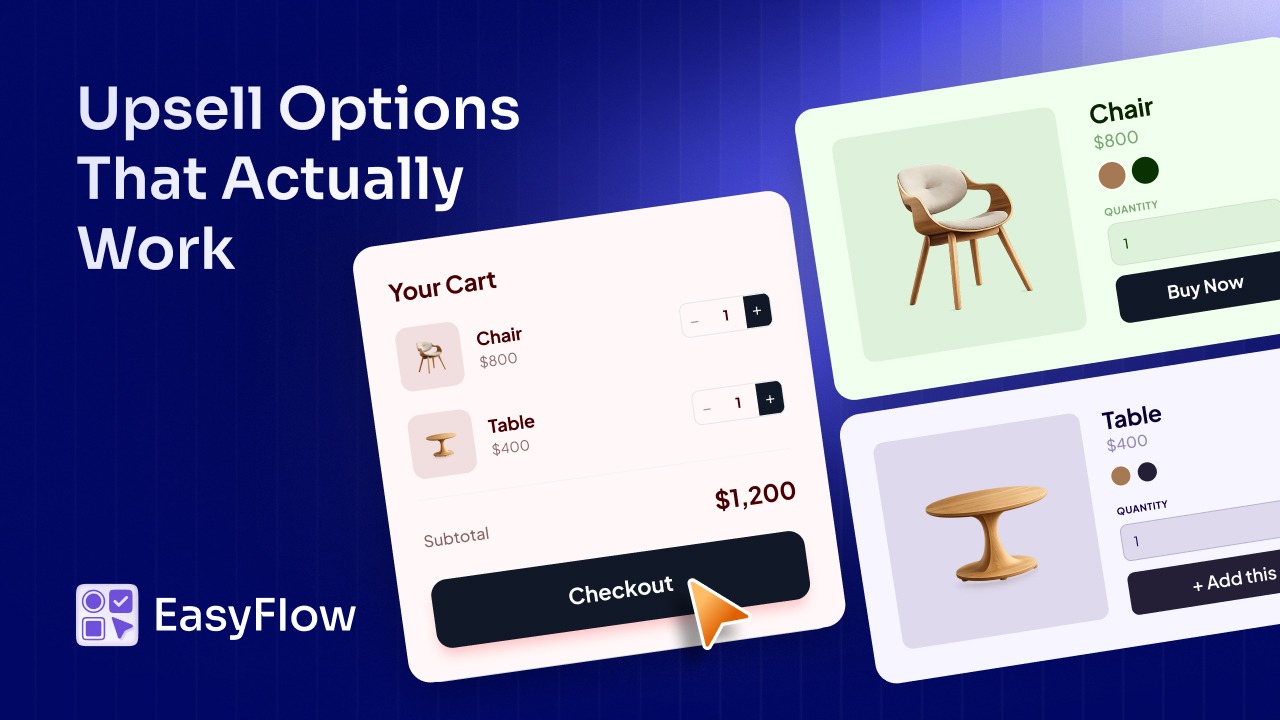
Act now by guiding customers toward bigger purchases with smart options, creating bundles or upsells to increase cart size, personalizing the shopping experience so they feel valued and keeping your design and checkout simple to make buying easier.
When these tactics work together, they do not just raise margins, they create a sustainable cycle of growth where each sale contributes more to your bottom line. Do not wait for profits to grow passively. Start applying smart profit maximization strategies today and position your Shopify store to drive sales, delight customers and achieve long‑term success.
If you found this blog helpful, please subscribe for more expert guides, tutorials and tips on unlocking the full potential of your Shopify store.